
What Does Boat Detailing Include? Full Service Breakdown
A professional boat detail covers everything from a deep hull wash and oxidation removal to interior scrubbing, upholstery conditioning, and a protective wax coat. The goal is to restore the boat's appearance, protect its surfaces from the harsh marine environment, and catch minor damage before it becomes expensive. Knowing exactly what each step involves helps you evaluate quotes and understand the value you're getting. Learn more about Boat Detailing.
The Foundation: Hull Washing and Decontamination
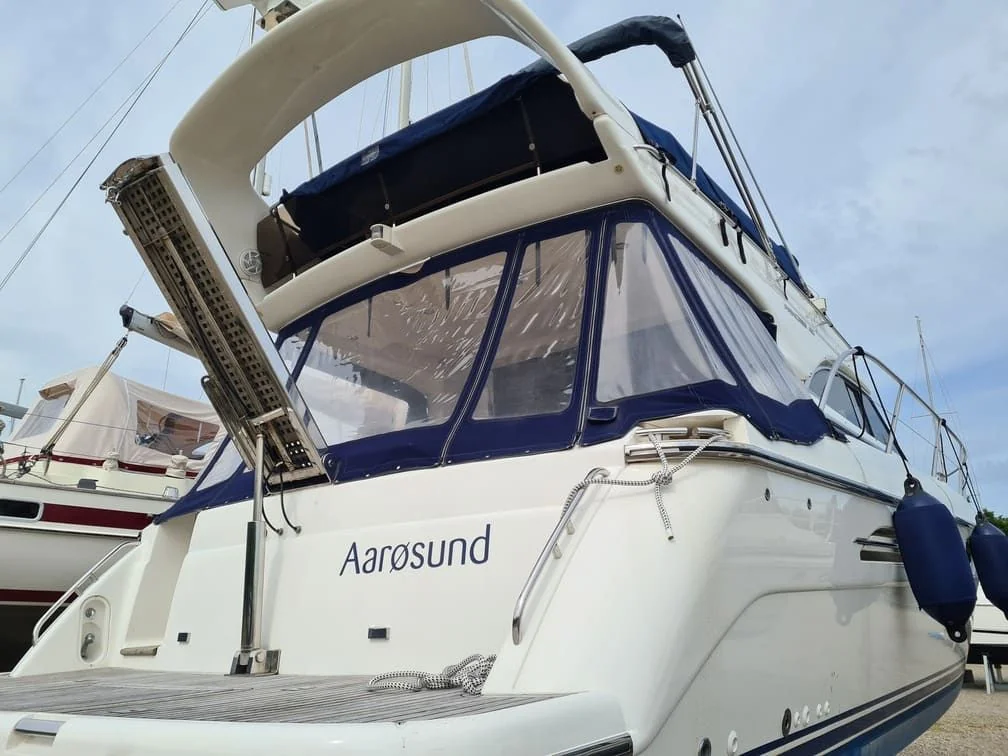
Every professional detail starts with a thorough hull wash using marine-safe soap and a pressure rinse to strip off salt, algae, waterline stains, and loose grime. This step matters more than most owners realize — detailing products applied over contaminated surfaces bond poorly and wear out faster. A technician will also inspect the hull during the wash, noting any spider cracks, blistering, or oxidized patches that need targeted treatment. Getting the surface truly clean is what separates a lasting detail from one that fades within a few weeks.
Core Services Included in a Full Boat Detail
A complete detail typically covers six distinct service areas, each addressing a different surface or protection need.
Oxidation Removal:
UV exposure turns gel coat chalky and dull over time. A technician uses a cutting compound to chemically and mechanically strip the oxidized layer and reveal the glossy surface underneath.
Machine Buffing and Polishing:
After oxidation removal, a dual-action or rotary polisher works through progressively finer polishing compounds to eliminate swirl marks, light scratches, and haze, leaving the hull smooth and reflective.
Waxing and Sealant Application:
A marine-grade carnauba wax or synthetic polymer sealant is applied by hand or machine to lock in the shine and create a barrier against UV rays, salt, and water intrusion.
Topsides and Deck Cleaning:
Non-skid deck surfaces, railings, cleats, and hardware are scrubbed and treated separately from the hull because they collect different types of grime and require different cleaning agents.
Interior and Bilge Cleaning:
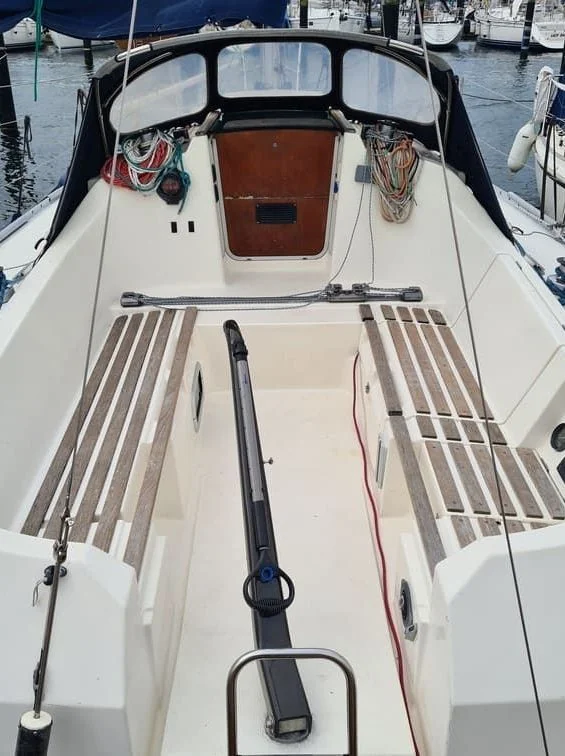
The cockpit, helm area, storage compartments, and bilge are vacuumed, wiped down, and deodorized. Mold and mildew are treated with appropriate marine cleaners to prevent regrowth.
Upholstery and Vinyl Care:
Seats and cushions are cleaned with a vinyl-safe solution, then treated with a UV protectant to prevent cracking and fading — one of the most visible signs of a well-maintained boat.
Windows, Metal, and the Finishing Details That Matter
Plastic and glass windows are polished with a dedicated plastic polish or glass cleaner to remove water spots, salt haze, and fine scratches that cloud visibility. Stainless steel cleats, rails, and fittings are polished separately to remove rust staining and surface corrosion, then treated with a metal protectant to slow future oxidation. These finishing touches are what give a detailed boat that showroom look rather than just a clean one.
Some detailers also offer teak cleaning and brightening as an add-on service. Teak decks and trim develop a gray, weathered appearance when left untreated, and a proper teak treatment involves cleaning, light sanding, and application of a teak oil or sealer. It is worth asking whether this is included or priced separately when you receive a quote.
- Plastic window polishing removes haze and minor scratches
- Stainless steel polishing eliminates rust staining on hardware
- Metal protectant slows future corrosion between details
- Teak cleaning and sealing often available as an add-on
How Often Should You Schedule a Full Detail?
In a saltwater environment like Cape Coral, most boat owners benefit from a full detail once or twice a year, with lighter maintenance washes in between. Salt accelerates oxidation and corrosion, so the longer a boat goes without a proper wax coat, the more aggressive the correction work needed to restore the finish. A boat used frequently in direct sun may need waxing every four to six months to keep the gel coat protected. Staying on a regular schedule is almost always cheaper than waiting until oxidation has cut deep into the surface and requires heavy compounding to fix.
Related Guides
Next: How Much Does Boat Detailing Cost? Pricing by Size & Service
Frequently Asked Questions
How long does a full boat detail take?
Most full details take between four and eight hours depending on the size of the boat, its current condition, and the services included. A heavily oxidized hull or a boat with significant mold in the interior will take longer than a well-maintained vessel getting a routine detail. A technician can give you a more accurate time estimate after a quick inspection.
Is boat detailing the same as boat washing?
No. A wash removes surface dirt and salt, while a full detail includes oxidation removal, machine polishing, waxing, interior cleaning, and surface protection. A wash is maintenance between details, but it does not restore the finish or protect the gel coat the way a proper detail does.
Can detailing fix deep scratches or gel coat damage?
Machine polishing can remove light to moderate scratches and swirl marks, but deep gouges or cracks that penetrate through the gel coat require gel coat repair, not detailing. A good technician will point out any damage that falls outside the scope of a standard detail so you can address it separately.
What is the difference between wax and a polymer sealant?
Carnauba wax provides a warm, deep shine and is a natural product, but it typically lasts two to four months in a marine environment. Synthetic polymer sealants bond more tightly to the gel coat and can last six months or longer, though some owners feel the finish looks slightly less warm than wax. Many detailers offer both options or a combination of the two.
Do I need to haul the boat out of the water for a detail?
For a full hull detail that includes the sides and bottom, the boat typically needs to be out of the water or at least partially accessible on a lift. Topsides, deck, and interior work can often be done while the boat is in a slip. A mobile mechanic or detailer can assess access when they arrive and adjust the scope of work accordingly.
How do I maintain the results after a professional detail?
Rinse the boat with fresh water after every outing to remove salt, and apply a spray detailer or quick wax every few weeks to maintain the protective layer. Keeping the boat covered or stored out of direct sun between uses will significantly extend the life of the wax coat and slow oxidation.