Boat Maintenance Cape Coral, FL - Yacht & Vessel Care
Checkups and regular Maintenance Services
Keep your vessel in top shape with our comprehensive boat maintenance program!
We offer a wide range of options to keep your boat safe, reliable, and performing at its best. Our expert technicians will thoroughly inspect and maintain your boat, giving you peace of mind on the water and preventing unnecessary outboard motor repair or marine plumbing. Trust as as your boat mechanic near me.
Our work includes:
- Hull and Exterior Inspection: We carefully examine your boat's hull and exterior for any signs of damage, including cracks, dents, and corrosion. We pay close attention to high-wear areas like hull seams and through-hull fittings. For full hull examination your boat needs to be out of the water. If you want to prevent hull damage look for boat trailer repair and upkeep
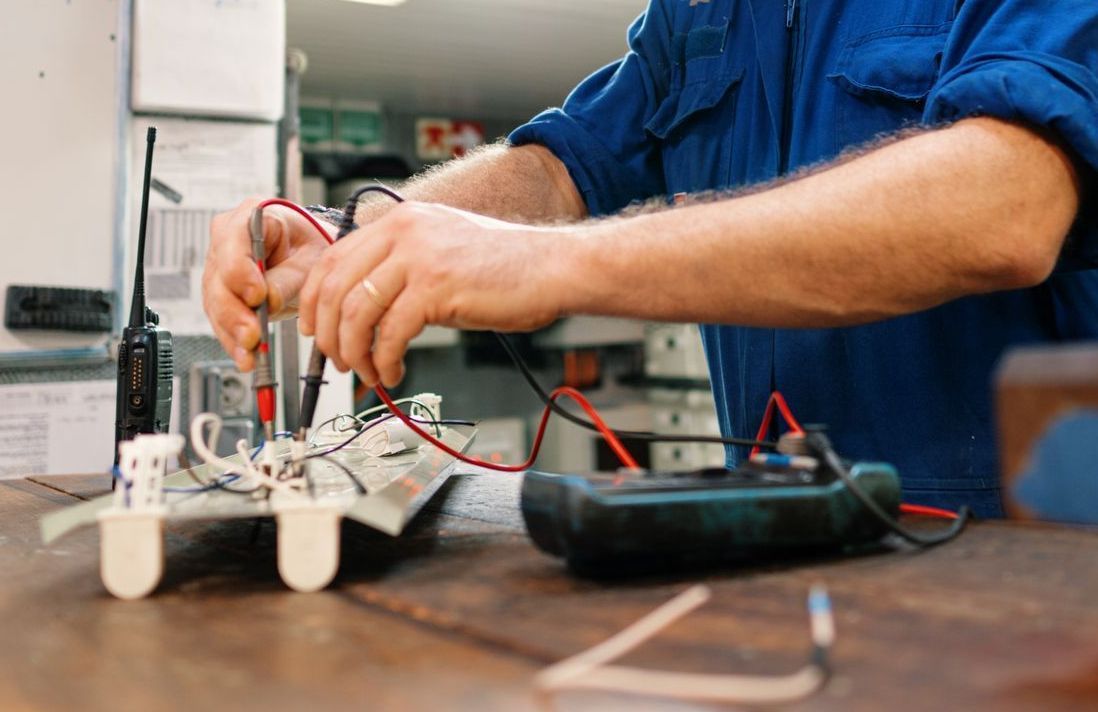
- Electrical System Check: All electrical components, including lights, gauges, and navigation equipment, are rigorously tested for proper function. We inspect every wire and wiring for signs of wear or damage and replace any compromised wires.
- Engine and Propulsion System Inspection: Our technicians handle motor upkeep by checking coolant levels and fuel filters, replacing them if needed. If your Vessel is on land, we inspect the propeller for damage and verify its secure attachment to the shaft. Additionally, the starter and ignition system undergo testing for optimal operation.
- Safety Equipment Review: All safety equipment, such as life jackets, fire extinguishers, and emergency flares, are carefully checked for functionality and compliance with regulations. We replace any expired or damaged safety gear to keep you protected.
- Fuel System Check: We carefully inspect fuel lines, hose fittings, and tanks for leaks or damage. We drain and replace any old fuel and add a fuel stabilizer to prevent ethanol buildup and corrosion. Finally, the fuel system undergoes testing for proper flow and pressure.
- Trailer Inspection (if applicable): For trailered boats, we inspect the trailer for signs of wear or damage, including tires, brakes, and lights. We verify proper hitching to your vehicle and secure all safety chains and straps for safe transportation. Keep your boat at the dock between uses to minimize wear.
Why Pre-Season Check and Inspection Is Crucial
Neglecting upkeep can lead to a host of problems once you're out on the water. From motor trouble to electrical malfunctions, the risks associated with overlooking pre-season checkups are significant. All vessels require regular care — and understanding maintenance costs upfront helps avoid surprises. By conducting thorough boat maintenance checkups before the start of the season, we can detect and resolve issues early, providing a smoother and safer boating experience.

Winterization, Engine Maintenance & Spring Commissioning:
Here at Mobile Boat Mechanic Cape Coral, FL, we understand the importance of properly preparing your boat for the off-season. Winterization helps safeguard your vessel from the harsh effects of cold weather and supports a smooth start to the next boating season. Our certified technicians perform a thorough winterization process and handle engine maintenance to give your boat the care it deserves.
Winterization Process:
- Fluid Draining: We expertly drain the coolant and any other applicable fluids from your boat's system. This prevents these fluids from freezing and potentially causing cracks or blockages within the motor and related components.
- Antifreeze Application: After draining the old fluids, we replace them with a specialized antifreeze solution. This antifreeze is formulated to withstand freezing temperatures and protect your vessel from potential damage caused by ice expansion.
- Battery Removal and Storage: The battery plays a vital role in starting your motor. To prevent damage from cold temperatures and minimize discharge risk, our technicians carefully remove the battery from your boat. We store the battery in a cool, dry place using a battery maintainer to ensure it remains charged and ready for spring.
- Engine Fogging: Internal motor components are susceptible to corrosion during storage. To prevent this, we perform a process called fogging. A special fogging fluid is introduced into the cylinders through the intake system, coating the cylinder walls and other internal components with a protective layer. This protective film helps prevent moisture build-up and corrosion during the off-season.
Spring Commissioning:
When spring arrives and you're eager to hit the water again, our spring commissioning work has your boat ready for a fantastic season. This process typically involves the following:
- Fresh Fluid Replacement: We drain the antifreeze used for winterization and replace it with fresh coolant, lubricants, and other necessary fluids according to your boat's manufacturer recommendations.
- Battery Reinstallation and Testing: The previously stored battery is reinstalled in your boat, and our technicians meticulously check its charge and overall health. We may recommend replacing an old or weak battery to guarantee reliable starts throughout the season.
- Engine Checks and Tune-up (if necessary): Our technicians perform a comprehensive inspection of your motor, checking for any signs of leaks, wear, or damage. Spark plugs, filters, and other essential components may be replaced based on their condition and manufacturer recommendations. If needed, we can perform a tune-up to optimize performance for the upcoming season.
The Importance of Boat Detailing and Upkeep
Benefits of Regular Boat Detailing: Maintenance Tips
Regular boat detailing offers a multitude of benefits, making it an indispensable aspect of boat ownership. Firstly, it's a boating safety aspect that should never be underestimated. Keeping all parts of your vessel in flawless working condition is essential for on board safety.
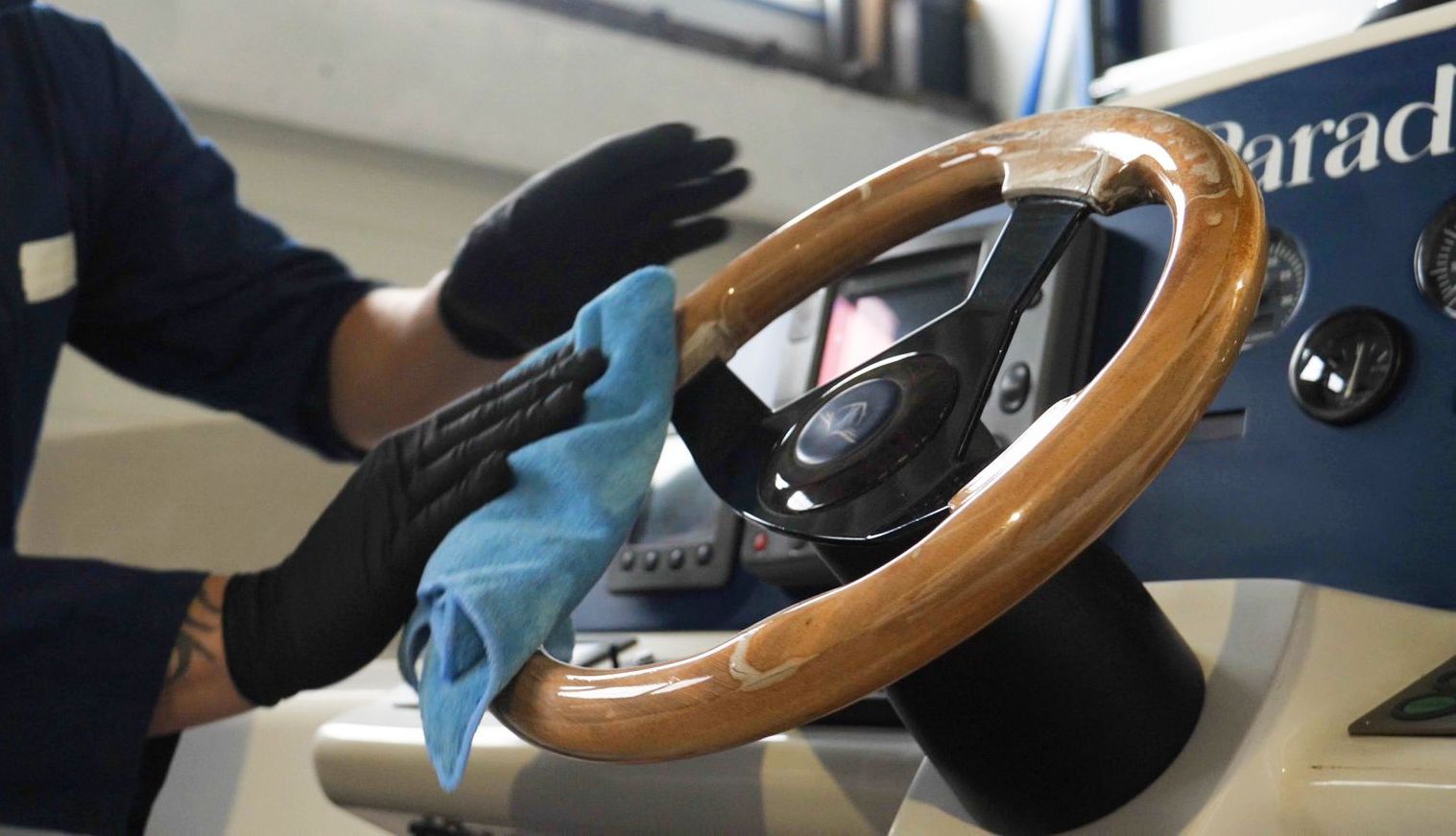
Secondly it preserves the vessel's appearance, keeping it looking pristine and attractive. Regular cleaning and varnishing extends the vessel's life. By removing dirt, grime, and salt buildup, detailing prevents corrosion and deterioration, thus extending the lifespan of the vessel.
Moreover, keeping a well-detailed boat enhances its resale value. Potential buyers are more likely to be impressed by a meticulously cared-for vessel, translating to a higher resale price and quicker transactions. Additionally, regular painting and bottom care through detailing improves the overall performance and efficiency of the boat, providing smoother sailing and optimal fuel consumption.
Having a Boating Emergency?
We're available 24-hours a day, 7 days a week.
DIY Detailing Tips & Vessel Checklist:
While professional detailing is available, many boat owners prefer to undertake detailing work themselves. Here are some DIY tips for effective boat detailing:
General Steps for Boat Detailing
Gather Necessary Equipment: Before starting, ensure you have all the required equipment and supplies, including boat soap, wax, polish, brushes, and microfiber towels.
Exterior Detailing: Begin by thoroughly rinsing the boat with fresh water to remove loose debris. Use a boat soap and soft brush to clean the hull, deck, and other exterior surfaces. Apply wax or polish to protect the finish and provide a glossy shine.
Interior Cleaning: Clean the interior cabin, seats, and other surfaces using appropriate cleaners and brushes. Pay special attention to areas prone to mold and mildew buildup, such as the bilge and storage compartments.
Protective Measures: Apply UV protectant to prevent sun damage to surfaces and upholstery. Consider investing in covers or tarps to shield the boat when not in use.
Regular Maintenance: Establish a routine for regular maintenance tasks such as engine checks, lubrication, and corrosion prevention. Addressing minor issues promptly can prevent more significant problems down the line.
Frequency of Boat Detailing:
The frequency of boat detailing depends on various factors, including climate, usage, and storage conditions. As a general rule, it's recommended to detail your boat at least once a year, ideally before the boating season begins. However, boats subjected to heavy use or harsh environmental conditions may require more frequent detailing. Keep an eye out for signs such as fading paint, dull surfaces, or water spots, indicating the need for immediate detailing.
Second thought - Hiring Boat Detailing Services
or call us nowWhile DIY detailing can be fulfilling for some boat owners, others may prefer to enlist the services of professional boat detailers. Professional detailing offers several advantages, including expertise, efficiency, and access to specialized equipment and products. When choosing a detailing service, it's essential to research thoroughly and inquire about pricing and services offered.
DIY Vessel Maintenance Checklist
Regular check-ups are essential for the functionality and safety of your boat. Inspecting your boat regularly is the first step to preventing costly repairs and having a smooth and enjoyable boating experience.
Establishing a consistent maintenance routine is essential for keeping your boat in top condition year after year. To properly clean your boat and maintain hull bottom integrity, follow a scheduled approach. By creating a personalized schedule based on your boat's specific needs and usage patterns, you can confirm that no items are overlooked and that your boat is always ready for the water when you are. Be sure to include regular inspections, routine upkeep procedures, and any seasonal preparations or winterization steps.
We've created a handy checklist to guide you through these routine checks. A clean boat starts with — clean your sea strainers frequently and replace running lights as needed — following this checklist will help you keep your boat in top shape and avoid potential hazards on the water.
Please note: This checklist is a guideline and not an exhaustive list. For a comprehensive boat maintenance checklist and motor upkeep plan, consult your boat's owner's manual and consider seeking professional assistance for complex jobs.
Regular Boat Maintenance Checks: Keeping Your Vessel Safe and Functional — Your Complete Boat Maintenance Guide
Before Every Use:
Visual Inspection: Walk around your boat and check for any leaks, loose fittings, or damage to the hull, deck, or lines.
Bilge Pump: Ensure the bilge pump is clear of debris and functioning properly. Manually operate the pump to confirm it pumps water out of the bilge.
Engine Fluids: Check engine oil, coolant, and power steering fluid levels (if applicable) using the dipsticks or reservoirs. Top up fluids if necessary, following the manufacturer's recommendations.
Battery: Inspect the battery terminals for corrosion. Clean any corrosion with a baking soda and water solution. Ensure the battery connections are tight.
Monthly Maintenance:
Electrical System: Turn on all lights, navigation equipment, and bilge pump to confirm proper function. Check for any loose wiring or burnt-out bulbs.
Safety Equipment: Inspect life jackets, fire extinguishers, and first-aid kits for rips, tears, or expired contents. Replace any outdated or damaged equipment.
Trailer (if applicable): Check tire pressure and tread wear. Ensure all lights are functioning correctly. Inspect brakes for proper operation.
Seasonal Maintenance:
Spring:
Cleaning: Wash and wax the hull and deck to remove dirt, salt, and grime. Clean upholstery and canvas with appropriate cleaning products.
Antifreeze Removal (if winterized): Drain the antifreeze used for winterization and replace it with fresh coolant according to the manufacturer's recommendations.
Fall/Winter (Winterization):
Engine Fluids: Drain engine oil, coolant, and gear lube (if applicable) and replace them with fresh fluids according to the manufacturer's recommendations.
Fuel System: Add a fuel stabilizer to prevent ethanol build-up and corrosion during storage. Consider running the engine with stabilized fuel for a short time to circulate the treatment.
Battery Removal: Disconnect and remove the battery for storage in a cool, dry place. Use a battery maintainer to keep it charged.
Engine Fogging: Follow the manufacturer's instructions for fogging the engine cylinders to prevent internal corrosion during storage.
Additional Tips:
Consult your boat's owner's manual: Refer to the manual for specific maintenance schedules and procedures recommended by your boat's manufacturer.
Keep a maintenance log: Record all maintenance tasks performed on your boat, including dates and details. This will help you track service intervals and identify any recurring issues.
Invest in basic tools: Having a good set of wrenches, screwdrivers, pliers, and a multimeter can come in handy for many DIY maintenance tasks.
Deciding whether to tackle pre-season checkups yourself or enlist the help of a professional depends on your level of expertise and the complexity of the work involved. All boats require upkeep regularly — understanding motor costs helps you budget effectively. While some boat owners may feel comfortable performing routine work themselves, others may prefer to leave it to the experts. Caring for it properly protects boating safety and the integrity of your boat investment. For more boat maintenance tips, consult a qualified dealer. If you're unsure or unfamiliar with certain aspects of boat upkeep, it's always best to seek professional assistance to avoid mistakes or oversights.